Structure and System Types of Gas Extinguishing Systems
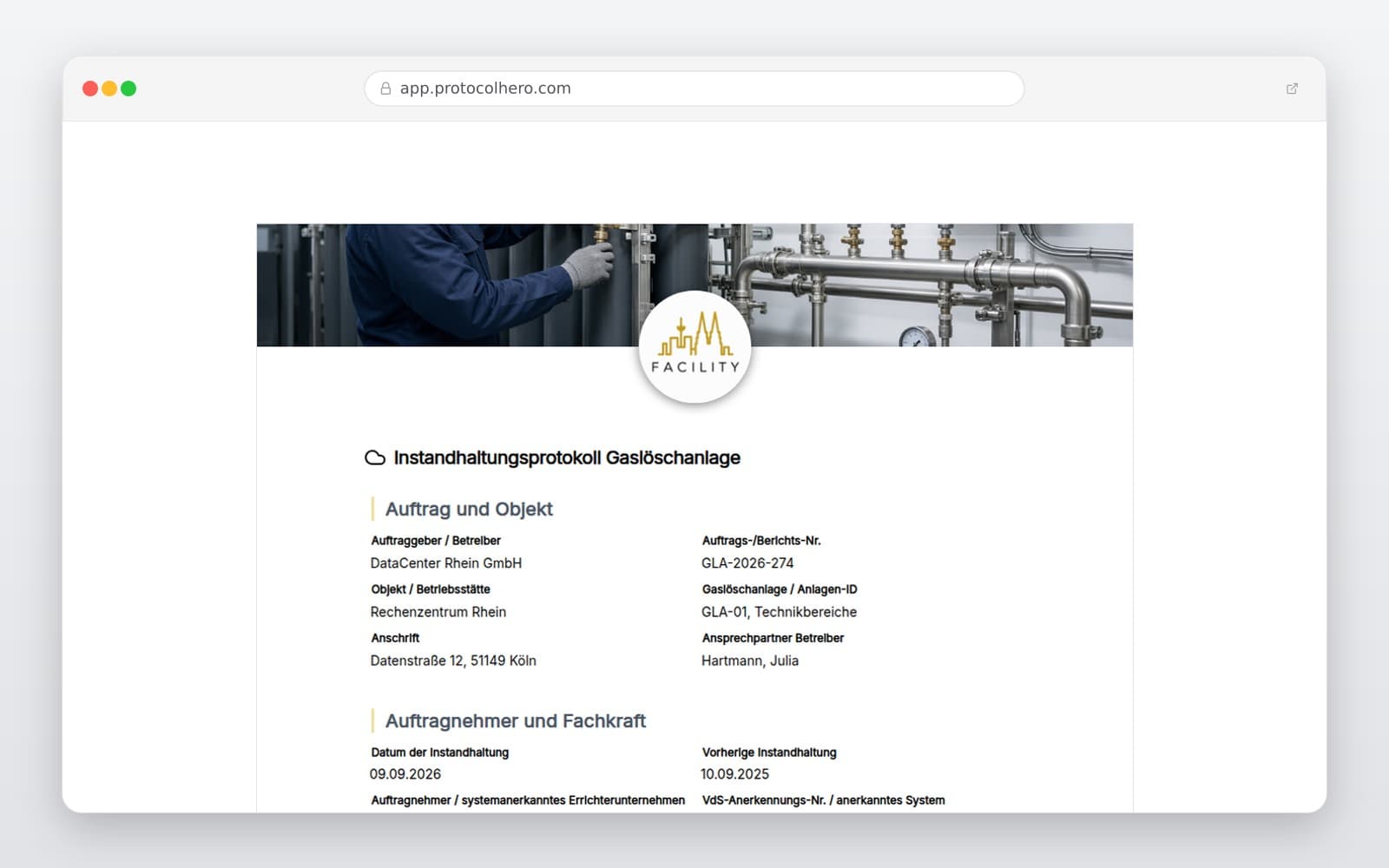
Gas extinguishing systems are classified into various types based on the selected extinguishing agent and the specific protection requirements of the object. Precise knowledge of the installed system is crucial during maintenance and testing, as physical extinguishing principles and safety requirements vary significantly. The most common systems include CO₂ extinguishing systems, inert gas systems (using argon, nitrogen, or mixed gases like Inergen), and systems utilizing halogenated chemical agents (such as FK-5-1-12 or HFC-227ea).
While CO₂ systems primarily work by displacing oxygen and local cooling—requiring extreme safety precautions due to the lethal concentrations of gas used—inert gases also reduce oxygen levels but typically in ranges less critical to human life. Halogenated hydrocarbons, on the other hand, remove heat energy from the fire through physical and chemical reactions. Each of these systems requires a dedicated review of pipe network calculations, nozzle placements, and room integrity.
- CO₂ Systems (VdS 2093): Highly effective, requires strict and uncompromising personal safety measures.
- Inert Gas Systems (VdS 2380): Displaces oxygen using argon, nitrogen, or mixed gases.
- Halogenated Hydrocarbons (VdS 2381): Chemically active extinguishing gases with rapid suppression capabilities.
- System Approval & Matrix: Verification of installed components against official approval documents.